Which wood is best for a puzzle?
The quality of a solid wood puzzle begins with the material, just as much as with the design and processing. This article walks through the wood species commonly used for puzzles, how density and grain affect the strength of puzzle pieces, and the material requirements suited to children and adults.
Author WoodCraft Puzzle Editorial Team Published 8 min read
Representative wood species used for puzzles
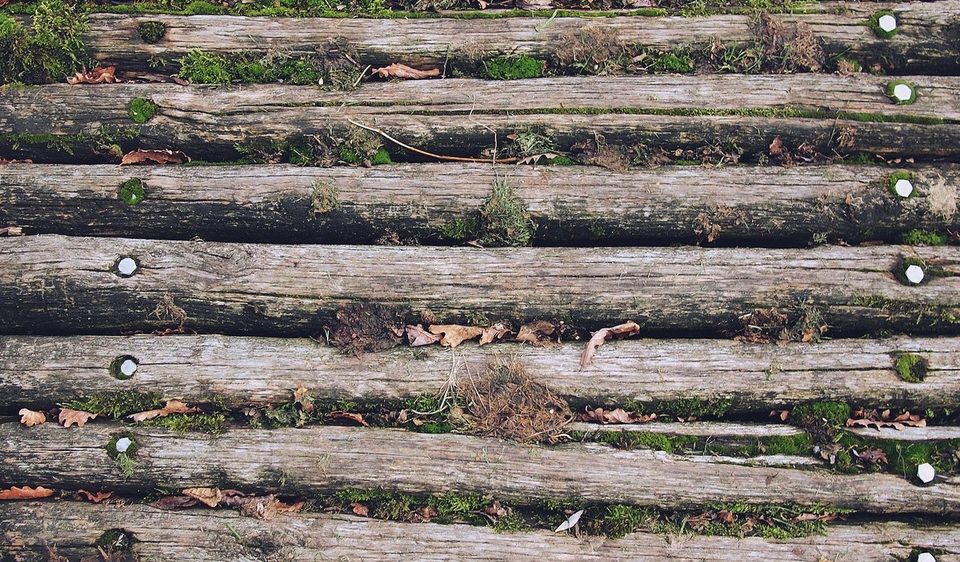
Wood used for puzzles is broadly divided into hardwoods and softwoods, each with different texture, weight, and workability. Hardwoods generally have a dense structure, giving a smooth surface and allowing fine, precise cut lines. Softwoods, by contrast, are relatively light and soft and easier to process, but their grain is more pronounced, so their appearance varies considerably depending on the surface finish.
Birch is often mentioned as a puzzle material because of its bright color and even grain. It resists bending even when thin, so its shape tends to hold up well after laser cutting. Dense-grained woods such as beech and maple offer strength even in small tabs and narrow connections, which suits intricate designs.
Darker woods such as vanilla and cherry give a finished piece a rich, elegant contrast. However, the darker the wood, the more easily stains and signs of wear show, so it is wise to consider both the setting where the puzzle will be used and how it will be cared for. Since color and grain should match the design intent, choosing while looking at a mockup is a practical approach.
How Density and Grain Affect Puzzle Piece Strength
Wood density is the key factor in determining the strength of each piece and the quality of its edges. Dense woods don't split easily under impact, and small tabs are less likely to break. Lower-density woods are easier to work with, but thin connections and sharp corners can be prone to damage.
Grain direction is another important variable. When the grain runs parallel to the length of a piece, it resists splitting under stress, but where the grain crosses sideways, thin tabs are more likely to split. For this reason, it is best to consider grain direction at the design stage when deciding the position and thickness of tabs.
Wood with many knots or resin streaks produces uneven results even within the same species. Areas around knots are hard and can leave a rough cut surface, and resin can react to laser heat and leave soot marks. Therefore, for puzzles with many pieces and fine detail, it is best to prioritize material with few knots and straight grain.
Material Requirements for Children's Puzzles
For puzzles used by children, safe materials must come first. The surface should be smooth, the edges should be rounded, and wood that does not snag or splinter in a child's hands is suitable. Pieces small enough to be swallowed should be avoided, so the material thickness and piece size must be matched carefully.
Children's puzzles are repeatedly assembled and taken apart, so the durability of the connections matters as well. Wood with moderately high density that holds up even in thin tabs is ideal. Wood that is too soft will quickly show marks, while wood that is too hard can leave rough edges after machining, so a balance must be considered.
It is also worth paying attention to color. Since children's hands touch the surface often, it is advisable to confirm that the finish cures naturally and has little odor. Wood in bright, soft tones is easy to tell apart by color, making it appealing even to younger children.
- Rounded, splinter-free edges and surfaces
- Check that piece sizes are outside the swallowing hazard range
- Material of suitable density that withstands repeated use
- Use of naturally curing, low-odor finishes
- Bright colors that provide visual distinction suited to the child's age
Material Selection for Precision Puzzles for Adults
Precision puzzles for adults have narrow gaps between pieces and complex outlines, so material stability is even more important. Even the same wood can shrink and expand with changes in humidity and temperature, so the basic approach is to choose wood that has been thoroughly dried. The straighter the grain and the fewer the knots in the board, the cleaner the edges will be when laser cut. When making thin puzzles, plywood with little warping or veneer of uniform density may be advantageous. Also, as the number of pieces increases and the connecting sections become thinner, choosing material with fewer char marks on the cut surfaces leads to a higher-quality finish. To enjoy a finished puzzle for a long time, it is good to check dimensional stability first.
When choosing materials, it is advisable to weigh strength relative to thickness together with surface smoothness. Wood with a dense fiber structure holds up well even in fine-line cuts and does not easily break when pieces are fitted or separated. Conversely, rough-grained or open-pored materials may struggle to render intricate patterns. Matching the minimum line width and piece spacing to the material's properties during the custom-order stage can reduce unnecessary breakage. For puzzles that reproduce personal photos, a bright, uniform surface brings out the image's tonal range more naturally. Defining your purpose and intended use first, and then selecting the material, is the most sensible sequence.
When selecting materials for a precision puzzle, it is wise to plan ahead for distortion that may occur during fabrication. Scorching along the edges after laser cutting is closely tied to the resin content of the wood. Timber with excessive resin tends to leave soot, so cleaning or sanding may be needed. Materials with moderate resin content, by contrast, cut consistently and are easier to finish. Considering that pieces will be inserted and removed many times after completion, the friction and resilience of the joints should also be checked. Taken together, these factors help you find a material that balances precision and durability.
Surface Finishes and Safety Checks
The finish applied to a puzzle's surface affects not only its appearance but also the user's safety. For products that children may put in their mouths or handle frequently, it is essential to confirm that paints and waxes contain no harmful substances. Safety certification and the criteria for issuing test reports vary by country and agency, so review the product's labeling carefully before purchasing. Even when a product is marked non-toxic, its safety in actual use should be judged separately. If the finish is too thick, pieces may fit together stiffly, so the balance with the dimensions should also be considered. It is advisable to weigh safety and feel of use together.
When choosing a finish, it helps to distinguish between the types of coatings and their application methods. Water-based paints have little odor and dry relatively quickly, but their surface protection varies widely between products. Natural oil or wax types suit highlighting the wood's texture but need time to cure fully. Fitting pieces together before the coating is completely dry can cause surfaces to stick or leave stains. Therefore, allowing sufficient drying time and ventilation is important. The adhesives and sealing materials used during production should also be checked for ingredients against the same standards.
To ensure safety, both the material's characteristics and the finishing process must be inspected. Checking by hand that piece edges are not sharp and that sanding has been thoroughly done is more important than it may seem. If small parts detach easily, there is a risk of choking, so piece sizes suited to the user's age must be considered. When ordering a custom piece, clearly communicating the intended age group and purpose allows the material and finishing method to be chosen appropriately. Checking the surface condition and smell once more upon receiving the finished product is the starting point of safe use.
- Confirm whether certification and test reports have been issued
- Carefully review the ingredient labels of paints and waxes
- Allow sufficient drying time and ventilation
- Inspect edge sharpness and sanding finish
- Consider piece size and structure suited to the user's age
Care and Storage Tips by Material
The lifespan of wooden puzzles can vary greatly depending on storage conditions, so consistent care is needed. Leaving them where direct sunlight falls for long periods can fade the color and dry the surface, causing cracks. Conversely, in humid places the wood may absorb moisture, making pieces stiff or prone to warping. The basic principle is therefore to store them indoors where temperature changes are minimal and ventilation is good. It is also recommended to lay finished puzzles flat on a level surface to prevent bending. When using storage boxes or bags, open them periodically so that moisture does not remain inside.
Caring for each material in its own way helps your puzzle stay in good shape for longer. Natural oil or wax should be re-applied in a thin layer to finished surfaces at set intervals to restore the protective layer. Wood with high resin content can become tacky over time, so it is safer to wipe it gently with a soft, dry cloth. Using large amounts of water or cleaning agents can make the wood swell or the finish peel, so avoid them. When a stain appears, wipe it away right away and let the piece dry thoroughly. Understanding the properties of each material and building care habits to match will keep your puzzle looking its best for years.
The final step in storage and care is to set an inspection schedule based on how often you use the puzzle and the environment it lives in. Pieces that are taken out and assembled often wear down quickly along their edges, so check their condition regularly. If the puzzle is for a child, look often for scratches or lifting on the finished surface. If you notice any damage, stop using the puzzle and consider repair or replacement. Keeping a record of the material and finish type will make future care much easier. Consistent checks are truly the best way to enjoy a wooden puzzle for the longest time.
Key takeaways
-
Criteria for Choosing Materials The most sensible approach is to first decide the puzzle's purpose, the intended age of the user, and how precise the cut pieces need to be, then choose the wood accordingly.
-
Safety Check Before you buy, be sure to check the ingredients of the paint and wax, whether they are certified, and the condition of the edge finishing.
-
Consistent Care Store the puzzle away from direct sunlight and moisture, and build the habit of checking its condition regularly according to the care method for each material.
This article provides general information and does not replace professional advice.