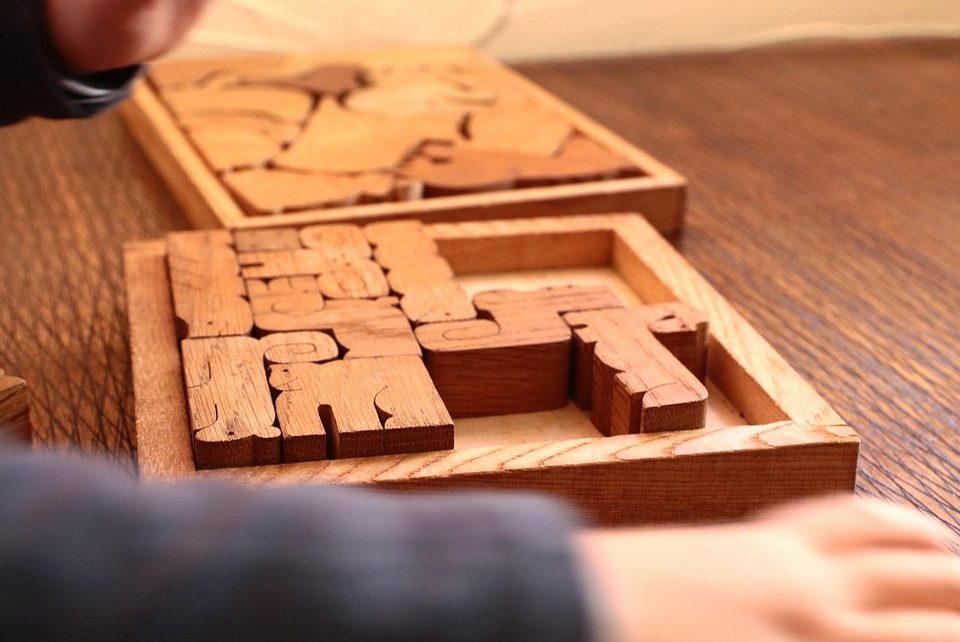
What determines the price of a wooden puzzle?
When considering a custom wooden puzzle order, the first question that usually comes up is price. Even the same picture can be priced differently because several production factors act together. This article explains in turn how piece count, size, materials, and design complexity affect the price, and lists the items to check when comparing quotes.
Author WoodCraft Puzzle Editorial Team Published 7 min read

Basic Factors That Determine the Price
The price of a wooden puzzle is not set by a single standard. The amount of material used, the time laser cutting takes, and the process of trimming and fitting each piece all feed into the cost. So even at the same size, the final amount varies with the type of wood and how detailed the picture is. To understand the price, it helps to first know how these basic factors work.
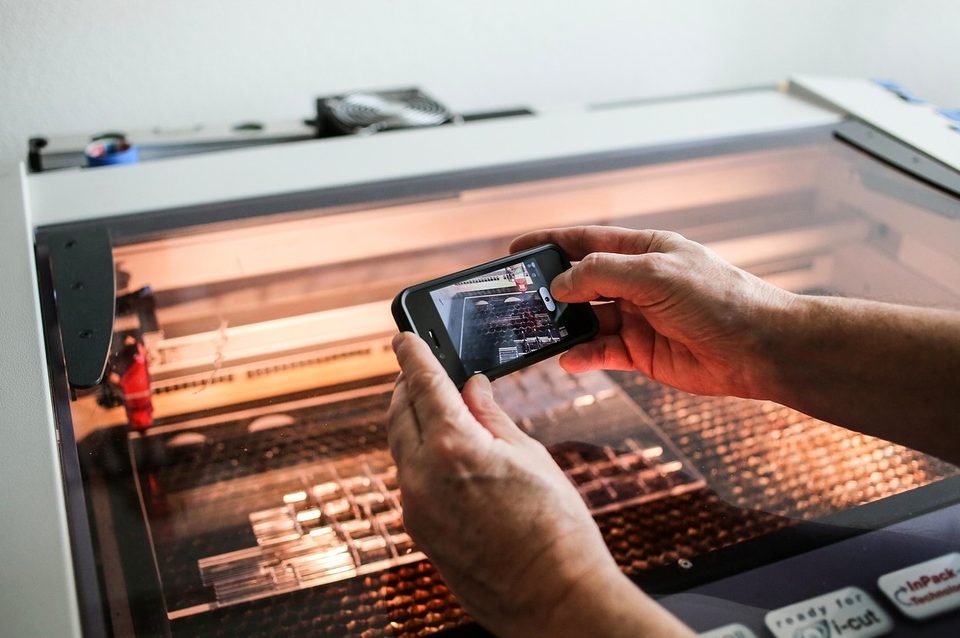
Working time directly affects the price. The time for laser cutting, the time to separate the pieces and finish their surfaces, and the time to package the finished puzzle together make up the cost of one set. Custom orders, unlike ready-made products, also have a separate stage for preparing the design file, and the effort involved there should be counted as part of the price. It is natural that the cost rises as the amount of work increases.
Material costs are also important. The unit price of the wood varies with its type, thickness, and size, and even within the same type, wood with straight grain and few knots costs more. How sturdy the finished puzzle will be is also closely tied to the choice of material. So when comparing prices, it is more sensible to check which materials are used, not just the amount.
The Relationship Between Piece Count and Size
Piece count and size are the two most basic elements of the price structure. As the number of pieces grows, the number of cut lines increases, and so does the work of checking how each piece interlocks. Even with the same total area, finer pieces generally lengthen the production time. So when choosing a puzzle, it is convenient to first decide the difficulty you want and the finished size, and then match the piece count to them.
As the size grows, the material area widens and the cost rises with it. However, size and price do not always move in the same proportion. For small puzzles, fixed costs such as setup and packaging weigh relatively heavily, while for large puzzles the share of material cost tends to be higher. Because of this difference, it is hard to say that the smallest size is always the cheapest.
Considering piece count and size together makes it easier to find the right specification. The piece size that's easy for a child to hold and fit together differs from the piece count that suits an adult who wants to focus and complete the puzzle. Choosing a combination that fits the purpose helps avoid rising costs from unnecessarily intricate designs. Settling the purpose first and then matching the specifications is also the more cost-effective order.
How Design Complexity Affects Cost
Design complexity determines how difficult the production process is, and that difficulty translates directly into cost. An image made of simple outlines and broad areas of color has straightforward cutting paths, so the work moves quickly. Designs with fine lines, small details, and many irregular edges, on the other hand, need more time from the very start of the design stage. Understanding that the level of detail equals the amount of production effort makes price differences easy to grasp.
Puzzles based on photographs depend especially on the design process. Photos with complex shading or blurry boundaries between subject and background require more adjustment to define the piece edges. The resolution and sharpness of the source image also affect the final quality, so it's wise to check the file condition in advance. The better prepared the file, the smoother the design process will be.
Custom shapes also affect cost. Free-form outlines that aren't rectangular, or methods that divide the pieces along a logo or a specific shape, require newly designed cutting paths. Such special shapes let your puzzle stand out, but they also add design and inspection time. Thinking in advance about how complex your desired shape is will help you plan your budget.
Differences by Material and Finish
The material and finish determine the texture and durability of the finished puzzle, and they are reflected in the price accordingly. Even at the same size and piece count, the unit cost can vary depending on the type of wood used. Dense hardwood with an even grain is harder to process and tends to cost more. Plywood or thin boards, by contrast, have lower material costs but may differ in surface quality and long-term feel. When comparing prices, it's therefore best to check both the type and thickness of the material.
The finish also shapes the cost structure. A natural surface that is only sanded involves a simple process, but adding oil or wax coating adds steps. When the image is applied by printing or transfer, the cost varies depending on color reproduction and whether a protective coating is included. For children's puzzles that are handled frequently, the finish is especially important, so it is worth checking whether non-toxic paints are used. The clearer the finish specifications in a quote, the easier it is to predict the actual result.
The most common mistake when choosing materials and finishes is selecting specifications that don't match the intended use. Using very thick hardwood for a decorative framed puzzle adds unnecessary cost, while using a thin board for an educational puzzle that will be assembled repeatedly can quickly lead to damage. Clarifying the intended use and storage environment first, then choosing materials and finishes, helps reduce wasted budget. Specifications tailored to the features you need raise satisfaction relative to price.
- Check material thickness for the intended use
- Compare surface finish and coating options
- Confirm the difference between printing and transfer methods
- Check paint specifications for child safety
How Unit Pricing Changes with Quantity
Generally, the unit price decreases as the quantity increases. When producing multiple copies of the same design, the initial work such as machine setup and preparing the cutting template only needs to be done once. For this reason, many price lists lower the per-piece cost above a certain quantity rather than for orders of one or two puzzles. However, the extent of quantity discounts varies by supplier and specification, so it is advisable to request unit prices for several quantity tiers. You should also confirm in advance whether there is a minimum order quantity.
When setting quantity tiers, it's important to check which tier your required number actually falls into. For example, corporate giveaways and event puzzles can vary widely in volume, so if you're just below a tier boundary, ordering a few extra pieces may actually lower the total cost. On the other hand, for small quantities such as personal gifts, checking the sample may matter more than volume discounts. Setting a quantity standard that fits your purpose makes choosing sensibly much easier.
When comparing quantities and unit prices, it's also worth considering the chance of reordering. If you plan to order the same design again later, keeping the artwork on file is convenient. For a one-time project, it's better to settle on the exact quantity you need from the start to avoid waste. When requesting quotes, asking for several quantity options together lets you compare the pricing structure at a glance.
What to check when comparing quotes
When comparing quotes, don't look only at the price; check what's included as well. Even at the same price, your real cost can differ greatly depending on the number of design revisions, packaging method, and whether shipping is included. The first step is to confirm that the piece count, size, thickness, material name, and finishing method are all clearly specified. A quote with vague details may lead to additional charges later.
Next, it's a good idea to review the production schedule and revision terms. Asking in advance whether changes are possible after the design is confirmed, and if so, up to which stage, can help prevent unnecessary disputes. Whether a sample or proof is provided is also an important comparison point. To avoid a situation where the finished product doesn't match your expectations, it's safer to choose a provider with clear verification steps.
Finally, place the terms listed in each quote side by side and compare them item by item. Identifying whether the price difference comes from materials, quantity, or finishing makes your decision much clearer. A quote that precisely meets your specifications is ultimately a more sensible choice than simply the lowest price. Applying this approach will help you understand wooden puzzle pricing more accurately.
Key takeaways
-
Materials and finishing The type and thickness of the solid wood and the coating method directly affect both price and finish quality.
-
Quantity structure As quantities increase, the initial setup costs are spread out, which tends to lower the unit price.
-
Comparing quotes Don't look only at the price; also check what's included, revision terms, and whether samples are provided.
This article provides general information and does not replace professional advice.